Bioenergy: sustainable benefit to the environment and to society
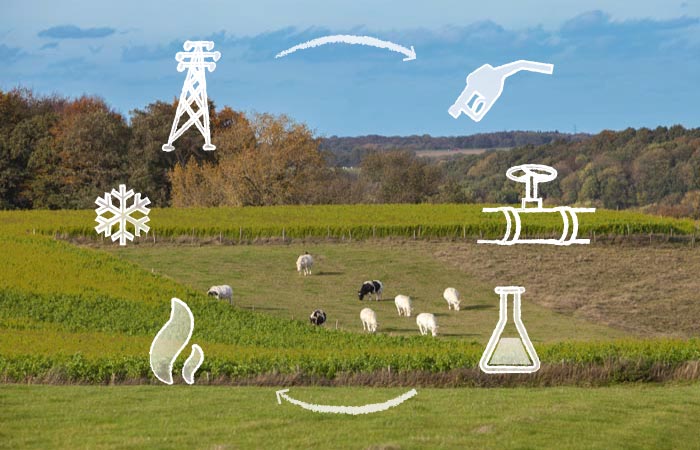
Bioenergy offers multiple pathways to generate renewable energy in the form of power, heat, gas and liquid biofuels from a large spectrum of biomass feedstocks.
Heat and Power from solid biomass
Combustion of solid biofuels in the form of wood, waste wood, agri-residues and non-recyclable waste streams, for industry and municipalities generates power and heating/cooling via district heating & cooling networks. It not only contributes to the replacement of fossil fuels and the reduction of CO2 emissions but also to the local economy in terms of job creation and retained wealth, energy security and improved forestry management.
Renewable Green Gas
Renewable Green gas can be produced via a number of different pathways depending on the feedstock (humid or dry) which determines the choice of process technology (biological or thermochemical) which then leads in turn to different compositions of gaseous outputs (biogas or syngas), consumable directly for heat and power or if further upgraded, injectable into the gas grid as biomethane or usable as bioNGV, a clean fuel for transport.
Common to these different pathways is a value chain starting from agriculture, forestry or from range of different bio-waste streams that are then processed to generate a higher value than traditional or alternative uses, not only in terms of the derived energetic output but also in terms of environmental benefits (fossil fuel displacement, CO2 emissions savings, valuable bi-products) the creation of local employment, increased rural incomes and increased diversification of income etc.
Biological : Anaerobic Digestion to biogas and biomethane
The anaerobic digestion of a large range of organic wastes (livestock effluent, agricultural and agro-alimentary waste streams, biowastes etc) produces biogas containing around 55-65% methane, 35-45% CO2, and small quantities of other gases. Digestate recovery also offers a number of routes to add and generate further value to the process.
Thermique: Thermal : Pyrolysis, Pyrogasification, Hydrothermal gasification to syngas / biomethane
Thermal treatment of an extensive range of both solid and liquid bio-wastes from agriculture, forestry, industry and household waste (eg srf - solid recovered fuel) today are creating new pathways to extract green gas from otherwise undervalued or discarded waste streams which in turn can be utilised in a gaseous form or via further processing (eg Fischer-Tropsch), converted into a liquid biofuel.
Liquid Biofuels
Bioethanol and biodiesel from agricultural crops and waste streams for replacing petrol and diesel in internal combustion engines, primarily for transport but also for smaller scale power generation, have been part of the energy mix now for many years.